
Written by Lillian
Friday, September 16th 2022
One of the worst things that can happen to you while Georgia Tech Lorraine is get sick. The stress of Georgia Tech classes and traveling every weekend paired with France’s colder temperatures approaching easily leads to sickness. This past weekend, I traveled to the German and Austrian Alps, and the weather was not cooperating at all. The entire weekend brought icy rain and bone chilling wind— something I was not prepared for. The single rain jacket I brought with me was definitely not enough.
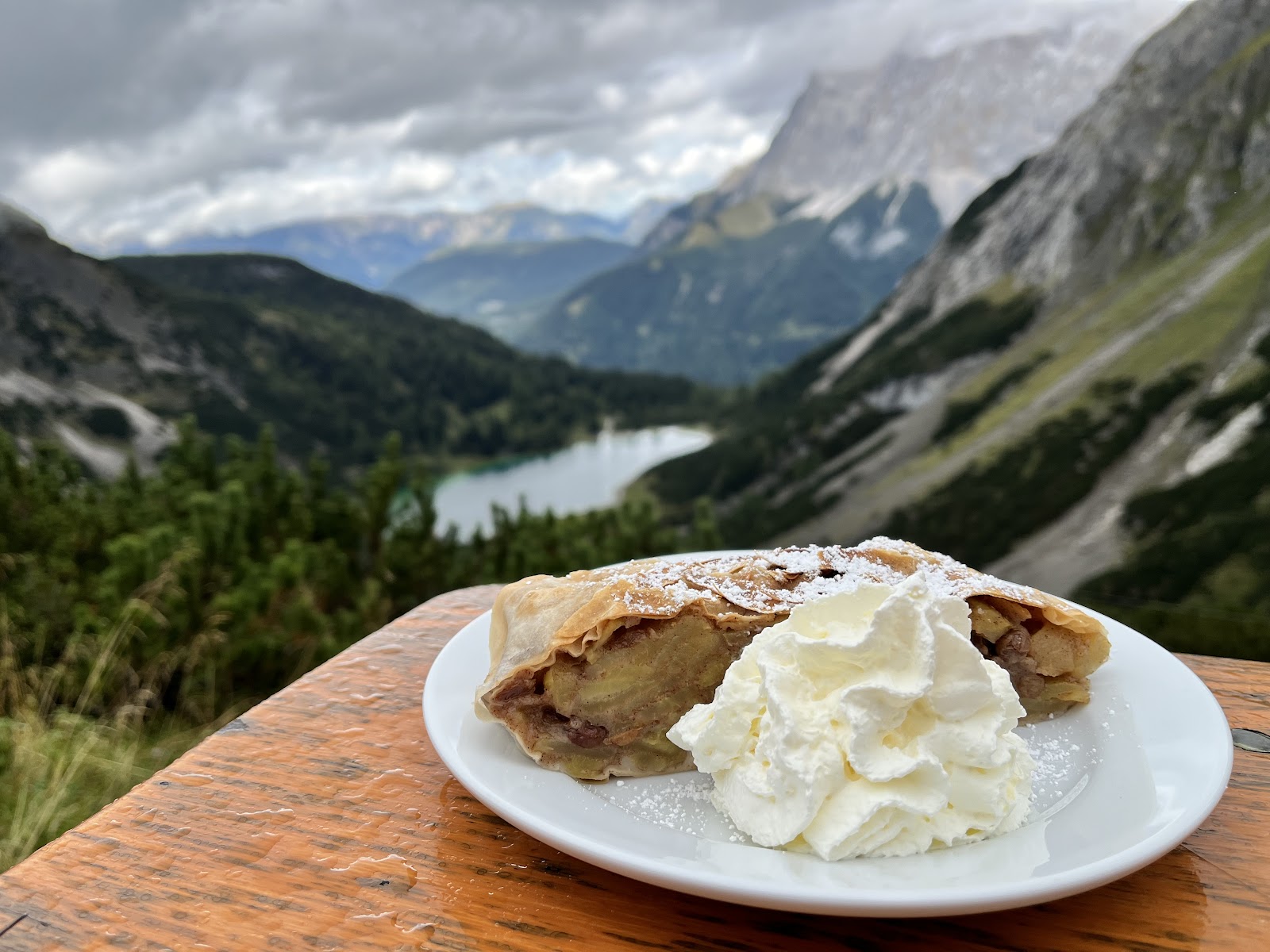
An Austrian Apfelstrudel from a Hutte: small hotels and restaurants located on the top of mountains. The only way to access it is to hike to it. It was super delicious, too bad the journey got me sick…
I got back to Metz with the sniffles, which slowly turned into a sneeze and a cough, which then turned into fever over the course of the week. The first thing I did was conduct a rapid test for COVID, and thankfully I was negative. However, since my room offers no temperature control and the only air circulation is provided by a single window being opened and closed, it was very hard to heal from a simple cold. If you got caught up in the same situation that I did, here are some recommendations to avoid becoming sick and how to get better:
Pharmacies: In France, you cannot purchase drugs at the supermarket. Instead, you have to go to devoted stores called Pharmacies to purchase these items. You can always recognize them via their green crosses. There is one in CORA, and the attendees are super nice and will have a high chance of speaking English! They have everything from ibuprofen and cough medicine to specialized cushioned shoes.
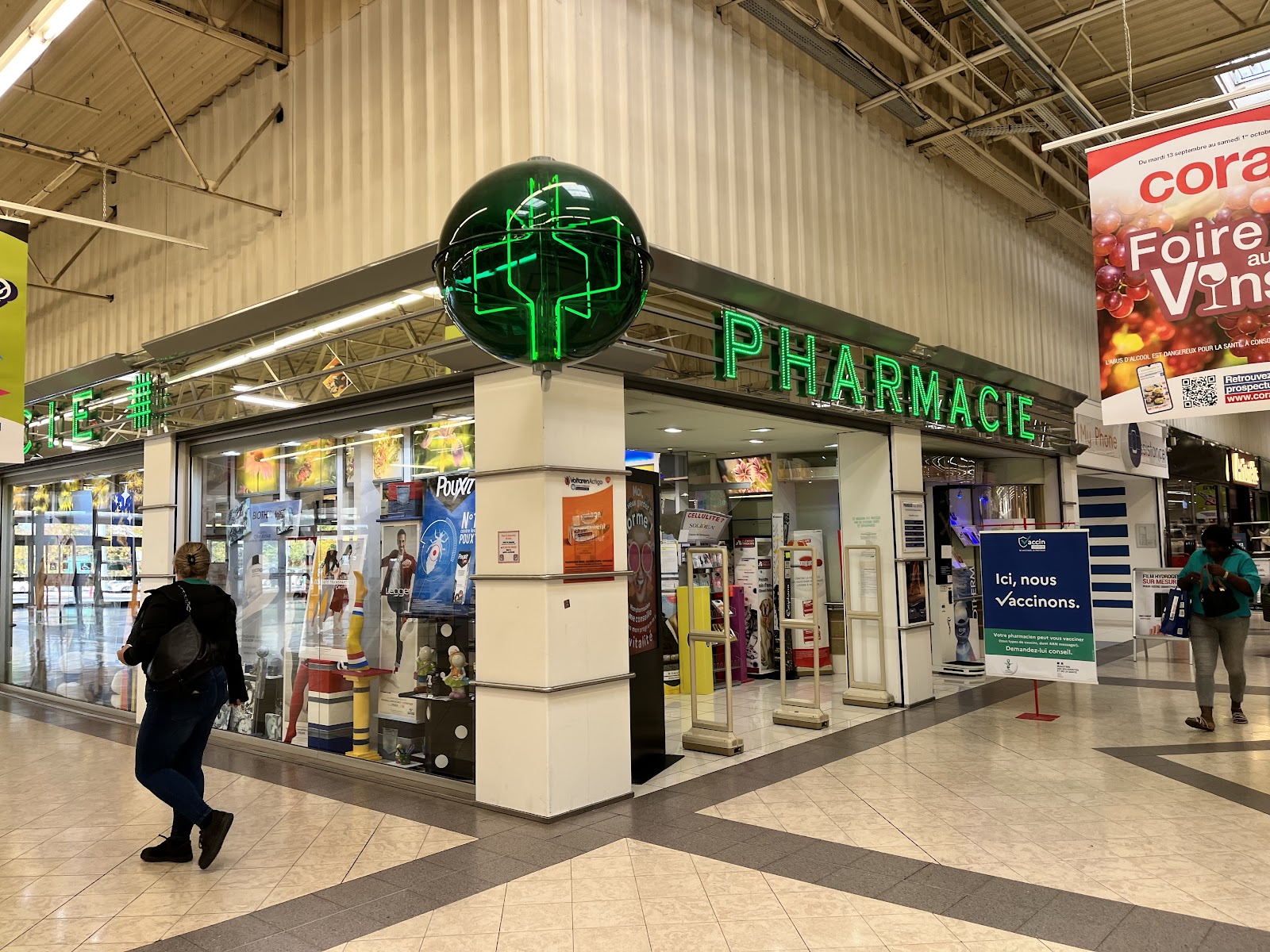
Pharmacie in CORA. Pharmacies always have the distinctive green cross, found all over Europe.
GTL Nurse: GTL has a nurse that visits the campus once a week for free consultation for all students. If you are unsure of the prescription that you would need at the pharmacies, make sure to talk to the nurse beforehand!
Masks: The only good thing to come out of COVID is that wearing face masks is more normalized. Help protect your fellow students by wearing face masks whenever you leave your room to go to the pharmacy.
Setting boundaries: One way to prevent getting sick is to set boundaries when traveling. Instead of leaving after class on Thursday and getting back to campus Monday morning before all of your classes start, give yourself time to recover before and after traveling. A lot of students will push themselves to maximize the amount of time traveling, but remember that train sleep is not the best type of sleep. The bumps and interesting temperature ranges trains can have make it very hard to sleep peacefully. By extension, overnight trains are not always the best solution especially if there are shorter ones during the day. Always give yourself at least 8 hours to sleep every day that is not on a train, and it will make you feel much better.
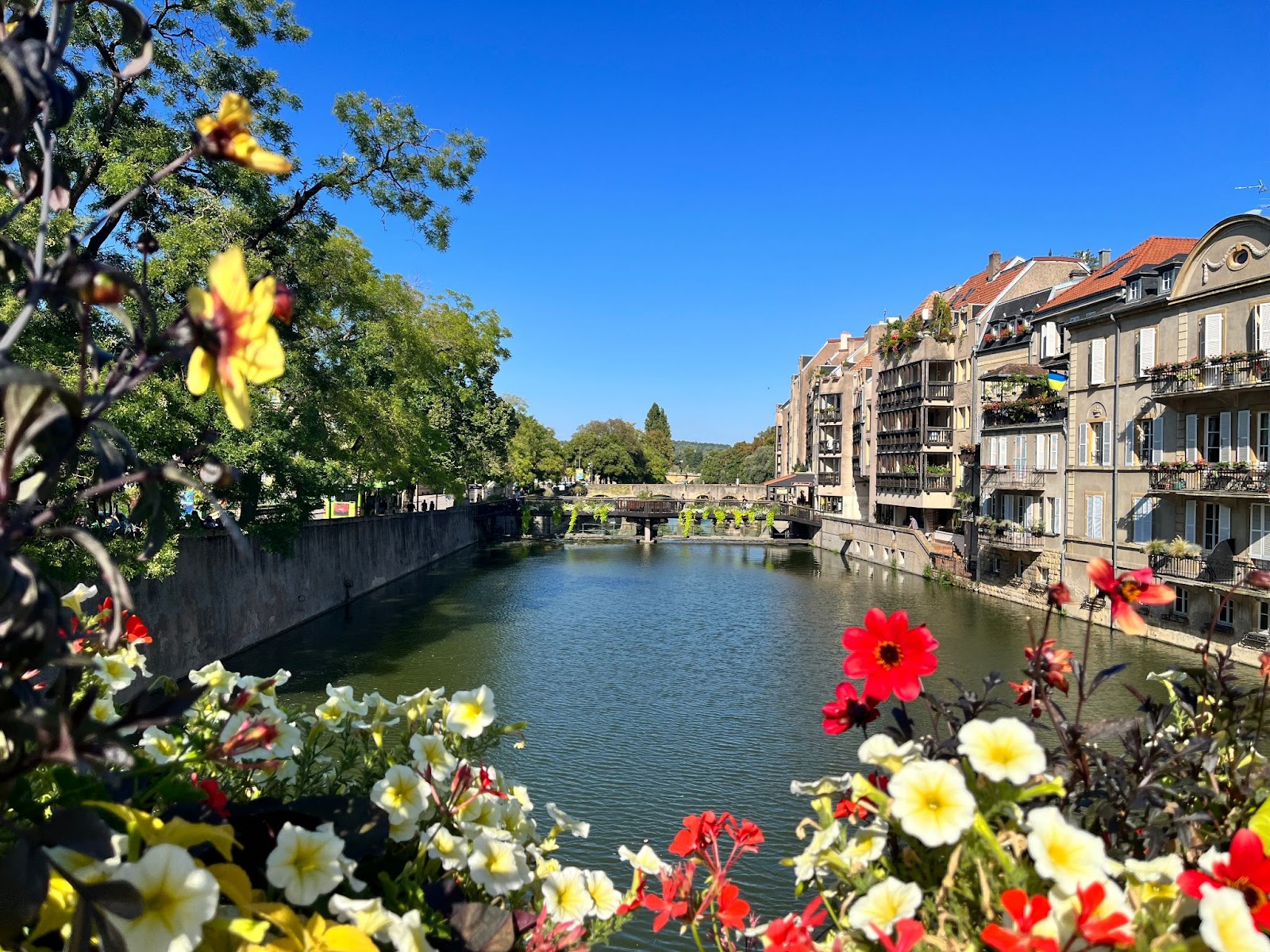





 As the sun rose high in the sky, I was delighted to feel the warm rays bathed across my face and the fresh breeze. It was a definite change up from the weather in Metz, where it was perpetually grey and gloomy seven days a week. The city itself was beautiful. The town was lined with colorful houses of pastel orange, yellow, and red. The small little alleyways of the quaint Italian town seemed to emerge from stone, stacked upon each other creating small winding trails on the cliffs above the water, which shimmered a beautiful crystal-turquoise color as small private boats settled on the surface, rocking peacefully back and forth. Although the trees were still on their early spring phase, the leaf-less branches created intricate shapes and patterns that weaved higher in the sky, a natural masterpiece.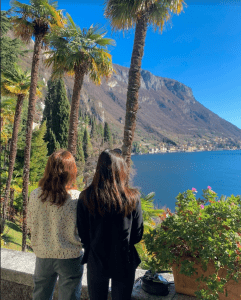
 Finally, in Bellagio, we hopped off the ferry right on time to catch the glorious sunset, a ball of bright red that dipped below the horizon. As the sun disappeared, the cold started to set in, coupled with the strong winds that ripped our hair back and forth. As we took a look at the time, we would be right on time to catch the last bus back to the train station in Varenna, which would bring us back to the hotel. We stood in the dark corner of the bus station, waiting as the time ticked past its scheduled arrival. As the moon continued to rise higher into the sky, the bus finally showed up, only to be packed to the BRIM with passengers huddled like sardines on board. There was no room to spare. The driver, however, didn’t even stop; instead, we took one look at our shivering selves at the bus station, shrugged, and sped away. Our hearts sank. There was no way back. We stood there in silence for a minute pondering on what to do, but not too far from the dock, we saw a ferry pulling up to the station. It seemed to be running on schedule despite the strike. At once, we bolted on board only to find twenty other people trying to get to the same train station to catch the next train that would supposedly leave 5 minutes after the ferry arrives.
 This is the biggest market in Metz and its definitely one you can’t miss. Basically a Walmart and Target combined into a Costco sized warehouse, Cora is the place to find anything you ever need. There are huge selections of housewares, clothing, pastries, meats, and drinks of all sorts. While prices are not much cheaper than those back in Atlanta, it depends on the meats, fruits, and veggies you end up buying. Tropical fruits, such as strawberries, grapes, and mangos are very expensive, almost 1.5 the price than we usually see at home. Meat cuts include parts from all parts of cows, pigs, and chicken, but the one thing you want to keep in mind when selecting cheaper meat is the date of consumption. Many times, the meats must be eaten within the next 1-3 days, so if you’re traveling on the weekend, it’s best to buy the groceries after you return. Overall, Cora scores a 10/10 on the scale. It has almost everything I ever needed and while it’s a 30-minute walk from Lafayette, with the metro pass, you can get there in a matter of minutes.
 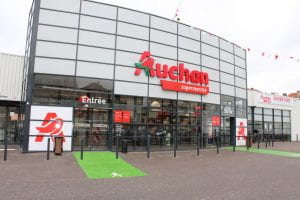 Auchan is a smaller chain supermarket that is closer to Lafayette than Cora. It sells mostly the same things and brands, but overall, Auchan has higher quality pastries and good budget food items. While the veggies selection is not as diverse, it specializes in lot of bio or organic produce that are slightly cheaper than the ones at Cora. From my experience, it is best to go to Auchan earlier in the day when things have been stocked up and when the bakeries just restock on their fresh breads. It scores brownie points for its convenient location and accessibility to Lafayette. Finally, most French groceries stores are highly plastic conscious, so you’ll have to bring your own bags!
 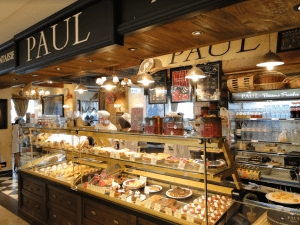 For new French pastry connoisseurs, Paul’s is the perfect place to start exploring. Located just 5 minutes away from GTL, Paul’s has a huge collection of coffees, breads, tarts, and ready-made food just for your convenience. For my first time at Paul’s, I tried their pain au chocolat, a classic French delicacy with chocolate folded into crispy, buttery goodness. Their tarts are amazing with fresh berries and a glaze that isn’t too sweet but also not too sour. Their freshly made baguettes in the morning are perfect for cheese and jam. Overall, the prices are comparable to those in Cora, so you might as well try out what they have and expand your horizons. There are also many tables set up inside for you to get your work done, in an ambient, cozy environment with your favorite pastries. While taste is good, the waiter experience was slightly awkward when we first visited there. If you do not know French, you might want to touch up on some of your basic French phrases before heading over.
 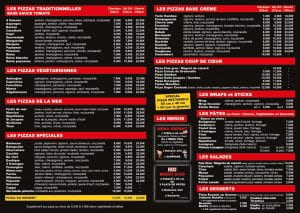 Funny enough, Mamma Mia
 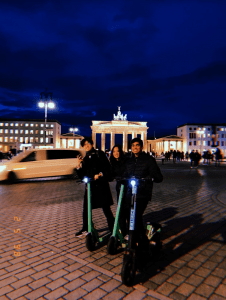 block.
 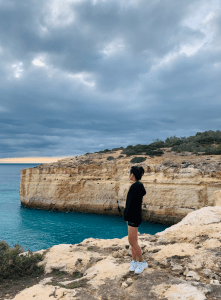 For the nature enthusiasts, hiking is always a cheap option that you can tailor to your experiences and preferences. Many big cities in Europe are located next to mountainous regions or along the coast. For example, if you travel to Marseille in France, you can scale the Calanques for a whole day without spending a single cent. In many of the port cities, you can find rocky outcrops to bask in the sunlight or take a stroll along the beach. If you’re in Italy or Portugal, there are many lakes such as Lake Como or the Benagil Caves that you can spend your afternoon exploring. While extra activities such as mountain biking or sea kayaking may cost 10-30 euros, the views are spectacular and worth the cost.
 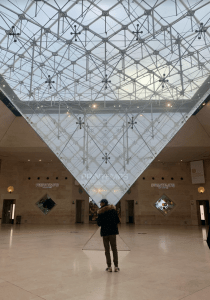 As a student, you’re in luck. Many museums such as the Prado in Madrid are free for students on certain weekends. If they are not free, exhibition tickets are often sold at a discounted rate if you have your ISIC card on you. These museums often hold gems of modern, historical art, and they can eat up a whole day of activities if you’re interested. Not only are these museums specific to the region, they also have different exhibitions every month.
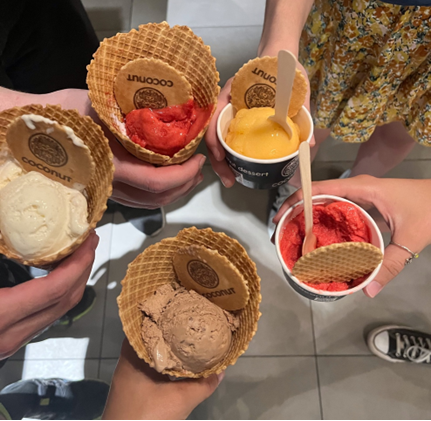
 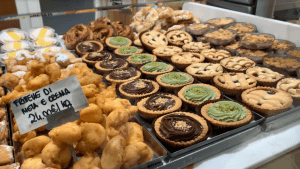 For the foodies, a cheap way to try local foods is to go bakery hopping. Many small goodies cost one or two euros and are pretty filling. They also represent the local cuisine with each baked good. For example, in Faro, Portugal, we tried Portuguese egg tarts that are a euro and custard sponge cakes, which the locals were crazed about. In Italy, we also had cheap cannolis and pistachio buns for under a euro. In Como, they sold pastries by the bag, and we lived off them for only 7 euros throughout the entire day.